

Choosing between a French crop and a mullet haircut can feel confusing when both styles are trending in barbershops right now. One delivers a clean, professional finish, while the other brings retro energy with a bold, modern twist.
If you are trying to decide which haircut fits your face shape, hair type, and lifestyle, this guide breaks down everything you need to know before your next barber visit.
Both cuts have loyal followings for good reason. The French crop is loved for its low maintenance and versatility, while the mullet has made a massive comeback thanks to its “business up front, party in the back” personality.
By the end of this article, you will know exactly which one suits you best, or whether a hybrid version might be the answer.
Quick Answer: French Crop vs Mullet
In short, the French crop keeps hair short and neat all around, with a forward fringe and tight sides. The mullet keeps the front and sides short while leaving noticeably longer hair at the back.
If you want a polished, easy to maintain style for work or everyday life, the French crop is the safer bet. If you want a statement haircut that stands out and carries a rebellious edge, the mullet is the better pick.
What Is a French Crop?
A French crop is a men’s haircut with short sides, a short back, and slightly longer hair on top that is combed or pushed forward into a straight fringe. It is often paired with a fade or taper for extra contrast.
The style originated as a European barbershop staple and has since become one of the most requested cuts worldwide because it works with almost any hair texture and face shape.
French Crop Haircut Key Features
- Short, blunt fringe that sits forward on the forehead
- Closely cropped or faded sides and back
- Slightly longer length on top compared to the sides
- Minimal layering for a clean, structured silhouette
- Works well with straight, wavy, and textured hair
Why Men Like the French Crop
The French crop is popular because it strikes a balance between low effort and high style. It looks sharp straight out of the barber’s chair and needs very little daily styling, which makes it ideal for busy schedules.
It is also flattering across a wide range of face shapes and ages, giving it broad appeal from teenagers to older professionals. The cut also grows out gracefully, so it never looks messy between trims.
Popular French Crop Varieties
French Crop Textured
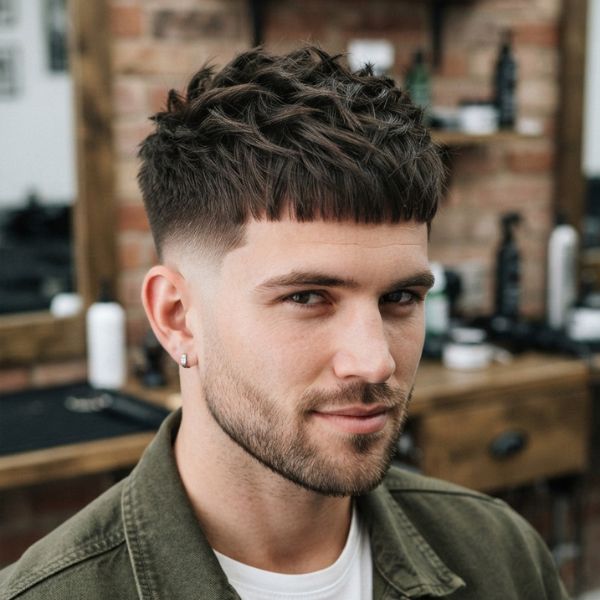
This version adds texture with a matte styling product, giving the fringe a slightly tousled, piece-y look instead of a sleek finish. It suits men with naturally wavy or coarse hair.
Fade French Crop
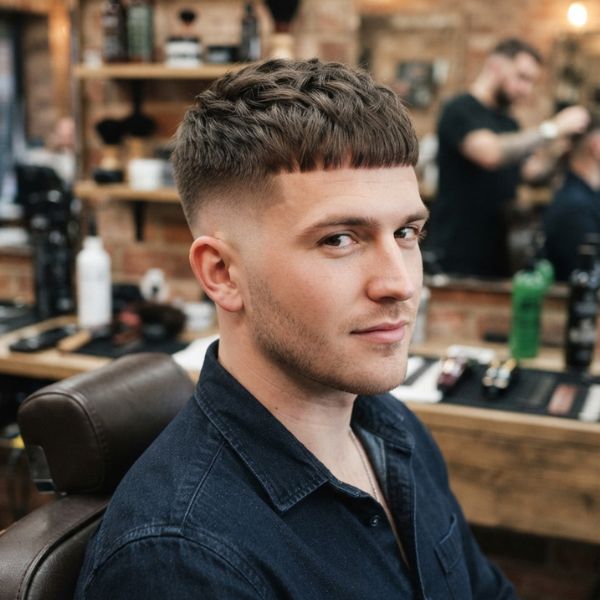
The fade French crop pairs the classic fringe with a skin fade on the sides, creating sharp contrast between the top and the shaved sections. It is one of the most requested combinations today.
French Crop with Taper Fade
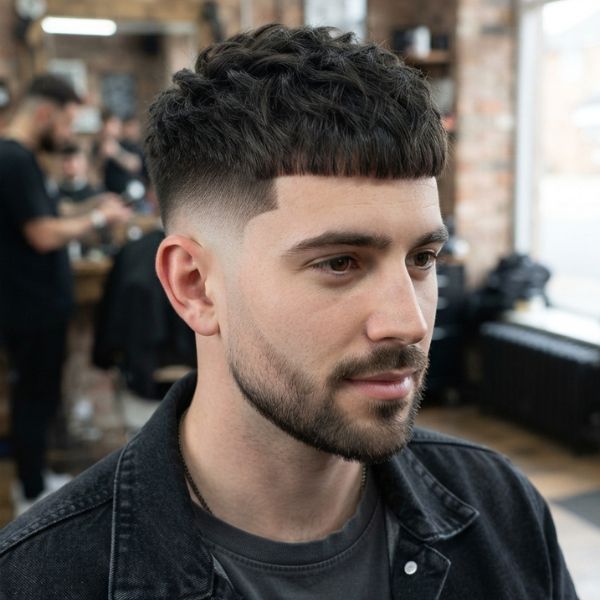
A taper fade blends the sides gradually instead of shaving down to skin, offering a softer, more subtle transition. It suits workplaces with conservative grooming expectations.
Burst Fade French Crop
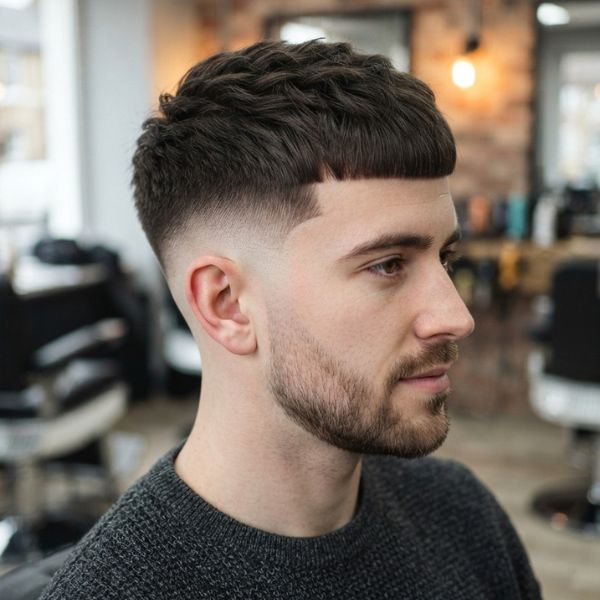
The burst fade curves around the ear rather than running in a straight line, adding a rounded, dynamic shape to the sides while keeping the top classic.
French Crop Mid Fade
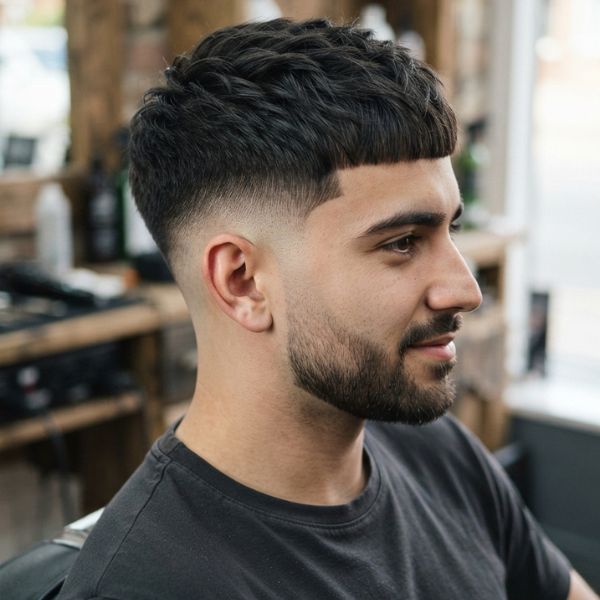
A mid fade starts halfway up the head, giving a balanced look that is neither too aggressive nor too subtle. It is a versatile choice for most face shapes and hair densities.
What Is a Mullet Haircut?
A mullet haircut is defined by short hair at the front and sides paired with noticeably longer hair left at the back. This length contrast is what gives the mullet its unmistakable silhouette and its nickname, business in the front, party in the back.
Once considered dated, the mullet has been reworked by modern barbers into sleeker, more wearable versions that fit today’s fashion trends.
Features of the Mullet Haircut
- Short to medium length on the front and top
- Longer, often layered hair left at the nape and back
- Sides that can be tapered, faded, or left slightly longer
- Strong contrast between the front silhouette and the back length
- Flexible styling, from sleek to shaggy and textured
Why Is the Modern Mullet Haircut So Popular?
The modern mullet has surged in popularity because it lets people express individuality without committing to fully long hair.
Stylists have softened the harsh 1980s version with blended fades and layered texture, making it far more flattering and easier to wear day to day.
Celebrities and social media trends have also pushed the mullet back into the mainstream, giving it a fresh, fashion forward identity rather than a dated one.
Popular Hairstyles for Mullet
Mullet, Modern
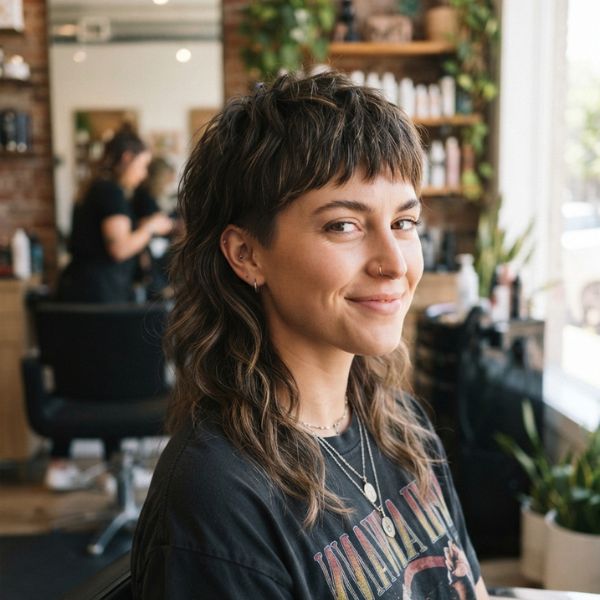
The modern mullet blends the back and sides smoothly into the length, avoiding harsh lines for a more polished, wearable version of the classic cut.
Mullet Fade
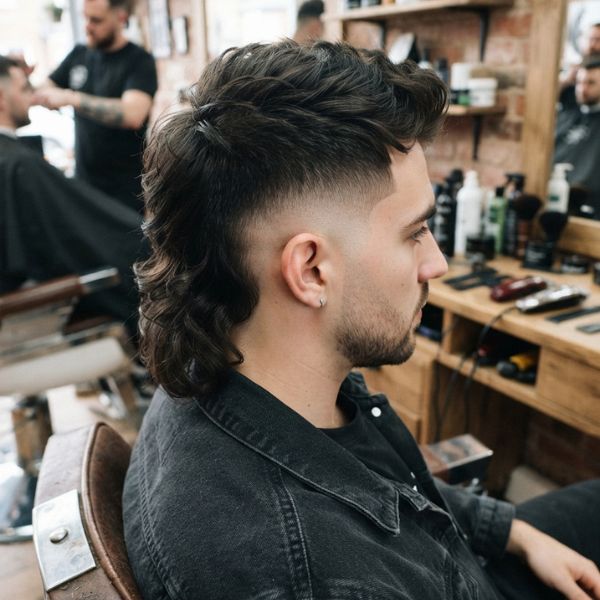
This variation adds a skin or taper fade to the sides while preserving length at the back, creating sharper contrast and a cleaner overall shape.
Textured Mullet
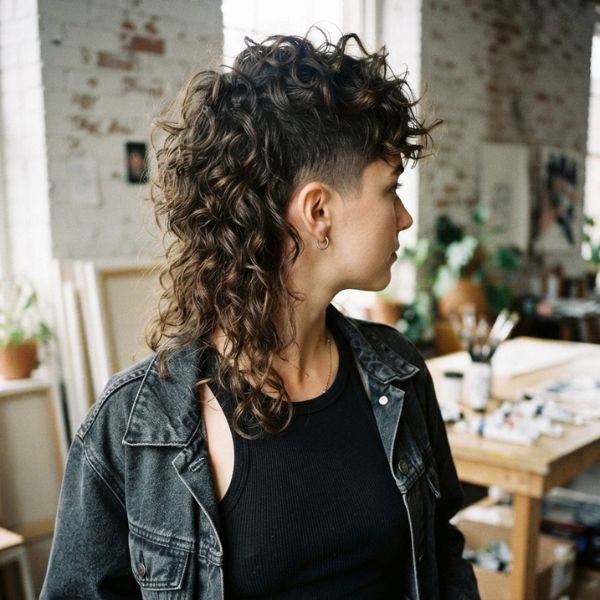
A textured mullet uses choppy layers throughout to add movement and volume, working especially well for wavy or curly hair types.
Mullet with a Short Top
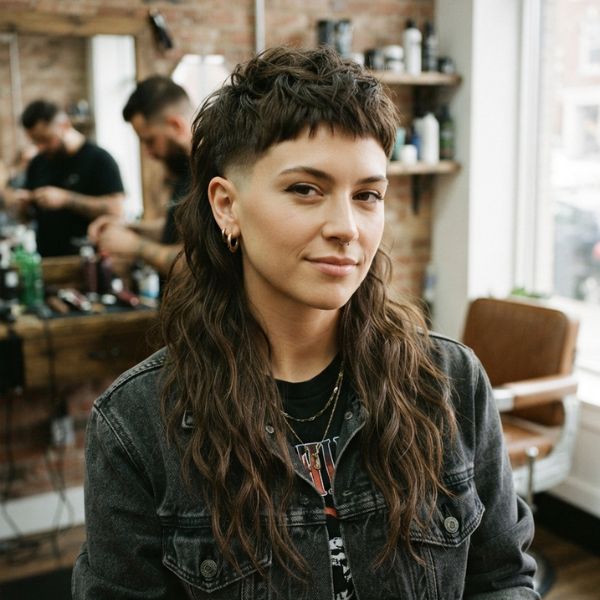
This version keeps the top very short while maximizing the length difference at the back, giving a bolder and more dramatic silhouette.
French Crop vs Mullet Haircut: Key Differences
Difference in Hair Length
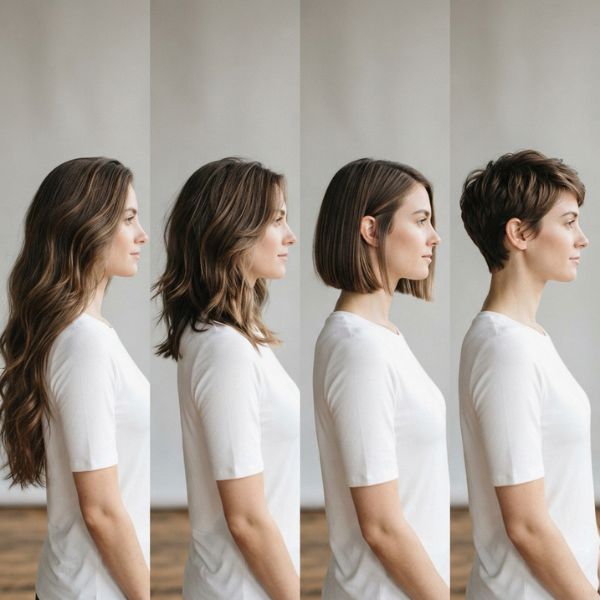
The French crop keeps hair short and even across the entire head. The mullet deliberately keeps the front short while allowing the back to grow noticeably longer, creating an intentional length gap.
Shape Front and Back Difference
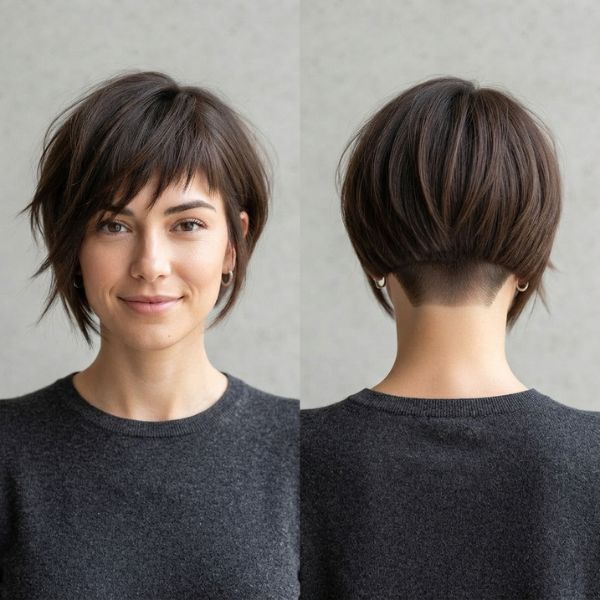
A French crop maintains one consistent shape from front to back. A mullet is defined by two contrasting shapes, a cropped front and top paired with a flowing or layered back section.
Variation in General Style
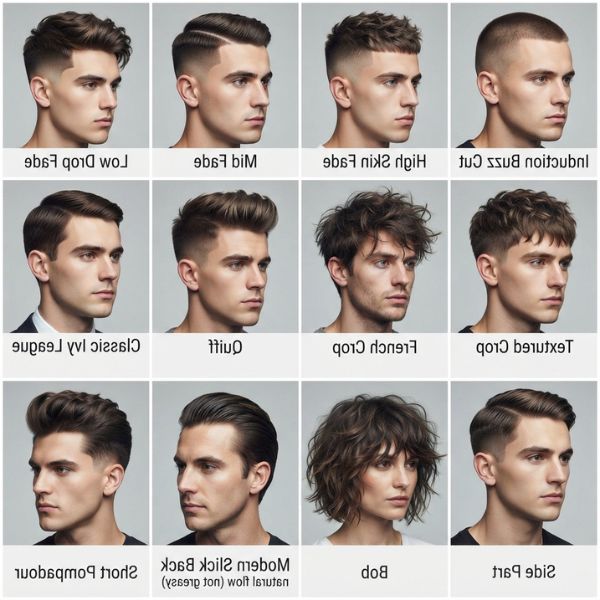
The French crop leans modern, clean, and minimalist. The mullet leans bold, retro inspired, and expressive, making it a stronger personality statement.
Difference Sides and Fade
French crop sides are almost always faded or tapered close to the skin. Mullet sides can be faded too, but many versions keep the sides slightly fuller to balance the length at the back.
Differences in Texture and Volume
French crops rely on light texture up top for a soft, effortless finish. Mullets often build in more volume and layering at the back to enhance the dramatic length contrast.
Difference in the Maintenance
French crops require trims roughly every three to five weeks to keep the fringe and fade sharp. Mullets need more frequent attention at the back to prevent split ends, along with regular trims to maintain the length balance.
Read more: French Crop with Beard
French Crop and Mullet Comparison Table
| Feature | French Crop | Mullet |
|---|---|---|
| Length | Short all over | Short front, long back |
| Style vibe | Clean, modern | Bold, retro revival |
| Best fringe style | Forward, blunt fringe | Short to medium front |
| Sides | Usually faded or tapered | Faded, tapered, or fuller |
| Texture | Light, soft texture | Layered, voluminous |
| Maintenance | Low, trims every 3 to 5 weeks | Moderate, more frequent back trims |
| Face shapes suited | Round, oval, square | Oval, round, long |
| Professional appeal | High | Moderate, workplace dependent |
Which Haircut Suits Your Face Shape Best?
Face Around
Round faces benefit from added angles and height, which is exactly what a French crop delivers through its structured fringe and tight sides. A mullet can work too, but longer layered sides help avoid making the face look wider.
Face Oval
Oval faces are considered the most versatile shape, so almost any version of either haircut works well. This is the one face shape where personal style preference matters more than corrective styling.
Square Jaw
A French crop softens a strong square jawline by drawing attention upward through the fringe. A mullet can intensify the boldness of a square face, which some men prefer for a more rugged, edgy look.
Long Faced
Longer faces usually suit a mullet well because the added back length balances vertical proportions. A French crop can also work if the top is kept slightly fuller rather than very short.
Beyond Face Shape, Your Hair Type Also Plays a Key Role in Finding the Perfect Style
Hair Straightening
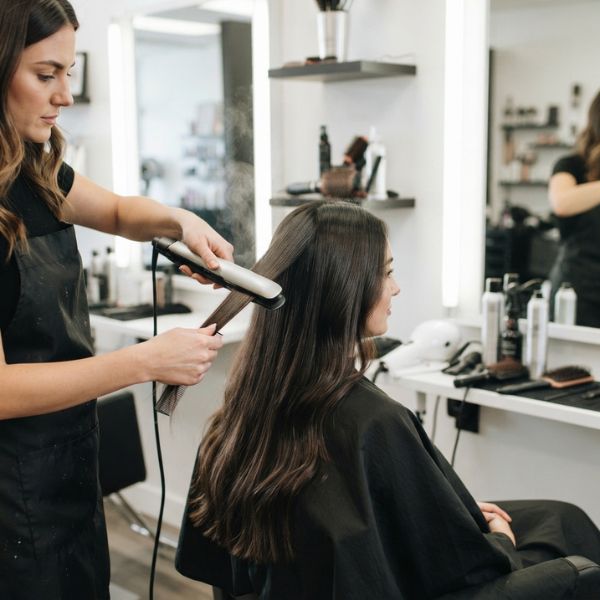
Straight hair gives both cuts a sleek, defined look. A French crop appears crisp and precise, while a straight haired mullet shows a clear, dramatic contrast between the short front and long back.
Wavy Hair
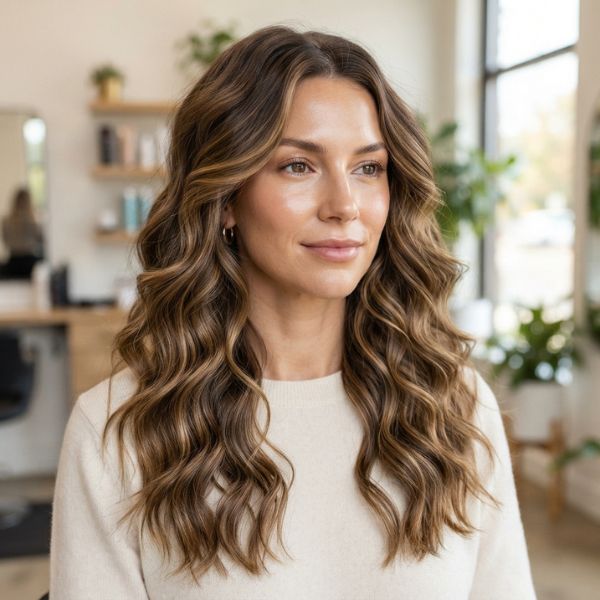
Wavy hair adds natural texture that suits the textured French crop beautifully, and it also gives the mullet a relaxed, tousled finish without much styling effort.
Curly Hair

Curly hair pairs well with a textured mullet since the curls add volume and movement at the back. A French crop on curly hair needs regular product to keep the fringe controlled and forward facing.
Thick Hair

Thick hair holds shape well in both styles, though it may need extra thinning for a French crop fringe to stay light rather than heavy on the forehead.
Fine or Thin Hair
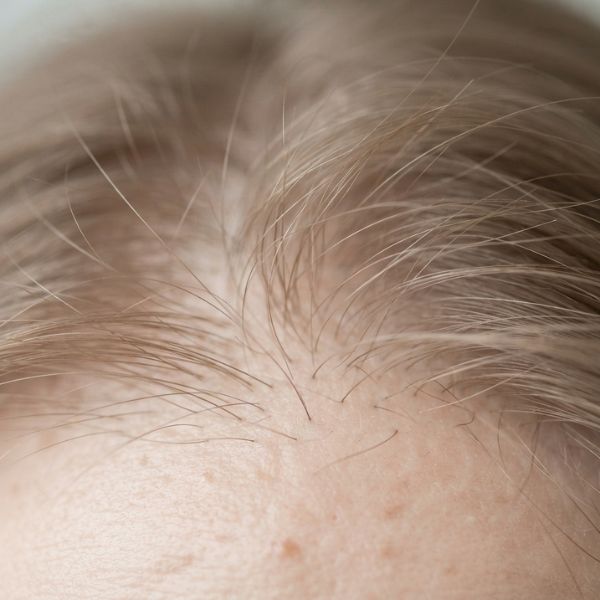
Fine hair works nicely with a French crop since less volume is needed to keep the fringe neat. A mullet on fine hair may need layering tricks to avoid the back looking flat or stringy.
Considering All These Factors, Manageability Is a Major Point When Choosing a Haircut
If daily styling time is limited, the French crop wins by a wide margin since it needs little more than a quick comb and light product. The mullet demands more attention, particularly around brushing out the longer back section and preventing tangles or split ends over time.
Which Style Is More Professional?
The French crop is generally viewed as the more professional and workplace friendly option because of its neat, uniform length and polished fringe.
The mullet, while increasingly accepted in creative industries and casual settings, can still read as unconventional in more traditional or corporate environments.
Pros and Cons of the French Crop Haircut
Advantages of the French Crop
- Low maintenance with infrequent styling needs
- Suits most face shapes and hair textures
- Looks neat as it grows out between trims
- Widely accepted in professional settings
- Easy to combine with different fade styles
French Crop Con
The main downside is that the French crop offers limited length or dramatic change, so it may feel too safe for men wanting a bold, standout look.
Read more: French Crop Taper Fade: Best Styles, Barber Tips and Care Guide
Pros and Cons of the Mullet Hairstyle
Mullet’s Advantages
- Highly distinctive and expressive style
- Allows creative variations like fades, curls, and texture
- Lets you keep length without fully committing to long hair
- Strong trend appeal on social media and in fashion circles
Mullet Cons
The mullet requires more upkeep, particularly at the back, and it can still be viewed as less professional or too bold for conservative workplaces.
How to Ask Your Barber for a French Crop
Tell your barber you want short, faded sides with a straight fringe pushed forward on top, and specify your preferred fade type, such as skin, taper, or burst, along with the desired top length.
How to Tell Your Barber You Want a Mullet
Ask your barber to keep the front and sides short or faded while leaving noticeably more length at the back, and mention whether you want it blended smoothly or left with more textured layers.
Can You Have a Mullet and a French Crop?
Yes, this hybrid is often called a French crop mullet, combining a cropped, forward fringe on top with a longer mullet section at the back for a style that mixes clean structure with bold flair.
Mistakes to Avoid Before Selecting
- Choosing a style based only on photos without considering your own hair texture
- Ignoring your face shape when picking the fringe length or back length
- Skipping a consultation with your barber about maintenance expectations
- Going too short on the back for a mullet, which weakens the intended contrast
- Overstyling a French crop with too much product, which can look heavy and unnatural
French Crop versus Mullet Haircut: The Final Verdict
There is no universally better option between these two cuts, only a better fit for your lifestyle, hair type, and personal style goals.
The French crop is the smarter choice for low maintenance, professional versatility, and broad face shape compatibility. The mullet is the stronger pick for anyone chasing individuality, retro inspired flair, and a haircut that sparks conversation.
Read more: 15 Best Messy French Crop Haircut Ideas for Men
Summary
- The French crop is short and even all around with a forward fringe, while the mullet is short in front with longer hair at the back.
- French crops are easier to maintain and more workplace friendly, while mullets demand more upkeep but offer bolder personality.
- Face shape and hair type both influence which cut looks best, though oval faces suit nearly any version of either style.
- A hybrid French crop mullet exists for those who want the best of both worlds.
Conclusion
Deciding between a French crop and a mullet ultimately comes down to how much boldness, maintenance, and personality you want from your haircut. The French crop offers timeless, low effort sophistication, while the mullet delivers standout style with a modern edge.
Whichever you choose, a clear conversation with your barber about your face shape, hair type, and maintenance routine will help you walk out with a cut you will actually love.
Frequently Asked Questions
Is a French crop the same as a mullet?
No, a French crop keeps hair short all around with a forward fringe, while a mullet leaves the back noticeably longer than the front and sides.
Which haircut is easier to maintain, French crop or mullet?
The French crop is easier to maintain, needing trims every three to five weeks with minimal daily styling.
Does a French crop suit round faces?
Yes, a French crop adds structure and angles that help balance a round face shape.
Can fine hair handle a mullet?
Fine hair can handle a mullet, but it usually needs layering techniques to prevent the back from looking flat.
Is the mullet considered professional?
The mullet is more accepted in creative and casual settings, but it can still read as unconventional in traditional workplaces.
What is a French crop mullet?
A French crop mullet is a hybrid style that combines a short, cropped fringe on top with a longer mullet section at the back.

Noah Daniel Davis is an experienced content writer and hair enthusiast who creates engaging articles about hairstyles, haircuts, hair care, and the latest styling trends. His goal is to share simple, useful, and inspiring hair ideas that help readers discover styles they love.
