

If you want a haircut that looks sharp up front and has personality in the back, the french crop mullet is one of the most talked about men’s styles of 2026. It takes the clean, blunt fringe of a classic French crop and pairs it with the longer, freer length of a mullet.
The result is a cut that works in the office on Monday and still turns heads at a show on Saturday. In this guide, you will find the 15 best french crop mullet variations, the hair types and face shapes each one suits, styling tips from real barber practice, product picks, maintenance advice, and the mistakes to avoid before you sit in the chair.
What Is a French Crop Mullet?
A french crop mullet is a hybrid haircut that combines two distinct styles into one. The front and sides borrow from the traditional French crop: short, tight, and finished with a blunt, textured fringe that sits just above the eyebrows. The back borrows from the mullet: length that is left to grow out and flow past the collar.
The contrast is what makes it work. Short sides create structure. Longer back hair creates movement. Together they give the cut a shape that feels intentional rather than accidental, which is why barbers describe it as a controlled version of the mullet trend.
Key features of a french crop mullet include:
- A blunt, horizontal fringe brushed forward
- Tight sides, usually a fade or taper
- Noticeably longer length left at the crown and nape
- A defined transition point between the short top and long back
Why Is the French Crop Mullet Trending?
The mullet has been having a cultural moment for a few years, driven by musicians, athletes, and social media creators who wanted a style that stood out from the standard fade. On its own, though, a mullet can look unfinished. Adding a French crop front solves that problem.
A few reasons this cut keeps climbing in popularity:
- It balances edgy and professional in one haircut.
- It suits far more hair types than the classic 1980s mullet did.
- It photographs well because the fringe frames the face while the back adds visual interest.
- It requires less daily styling effort than spiky or pompadour looks.
- Barbers can scale the boldness up or down with fade height and tail length, so it suits teenagers and older men alike.
Best French Crop Mullet Hairstyles to Try
There is no single way to wear this cut. Hair texture, fade height, and how long you let the back grow all change the final look. Here are 15 of the best variations men are asking their barbers for right now.
- French crop mullet for curly hair
- French crop mullet for straight hair
- Short french crop mullet
- Textured french crop mullet
- French crop mullet fade
- French crop low fade mullet
- French crop burst fade mullet
- French crop taper mullet
- Modern french crop mullet
- Messy french crop mullet
- Wavy french crop mullet
- French crop mullet with a beard
- French crop mullet with a hard part
- Disconnected french crop mullet
- French crop mullet for boys and teens
The next sections break down the most requested styles in detail, including who each one suits and how to style it.
French Crop Mullet for Curly Hair

Curly hair already brings volume and texture, so this version of the cut looks full without much extra product. The curls at the crown add shape on top while the back naturally coils into a soft mullet silhouette.
Best For
- Men with type 2 or type 3 curl patterns
- Guys who want a low effort style that still looks deliberate
- Round, oval, or square face shapes
Styling Tip
Apply a lightweight curl cream or mousse to damp hair and scrunch upward rather than combing through, which would flatten the curl pattern and reduce texture.
French Crop Mullet for Straight Hair
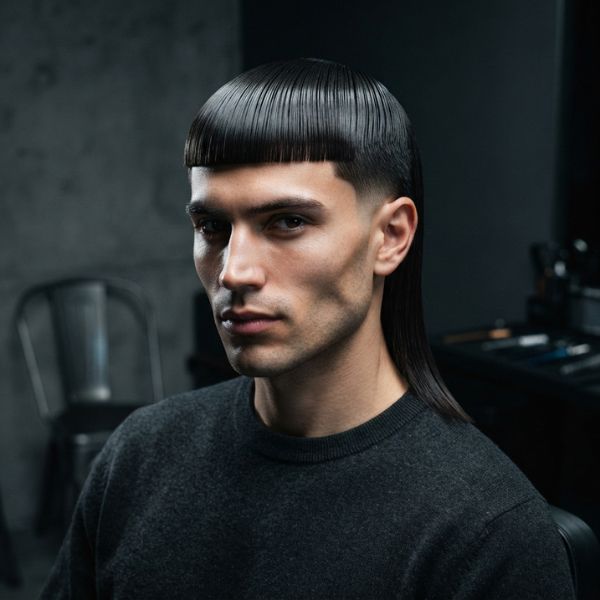
Straight hair gives this cut a sharp, graphic edge. The fringe line stays crisp and the back falls in a smooth sheet instead of curling, which makes the length contrast even more obvious.
Best For
- Fine to medium straight hair
- Men who want a polished look for work or school
- Oval and heart shaped faces
Styling Tip
Blow dry the top forward with a round brush to prevent flatness, then finish with a small amount of matte clay so the fringe holds shape without looking greasy.
Short French Crop Mullet

This is the entry level version of the style. The back is trimmed shorter than a full mullet, just long enough to hint at the shape without the dramatic length.
Best For
- First timers who are unsure about committing to a longer mullet
- Workplaces with conservative grooming expectations
- Men who want easy, quick maintenance
Styling Tip
Keep the top brushed forward and use a light pomade on the back to prevent flyaways while the length grows out.
Textured French Crop Mullet

Point cutting and layering give this version a messy, lived in look. The fringe loses its blunt edge and the back gets broken up layers instead of one solid length.
Best For
- Thick or flat hair that needs movement
- Men who prefer a relaxed, natural finish over a sharp one
- Casual, creative work environments
Styling Tip
Work a matte paste or sea salt spray through damp hair with your fingers rather than a comb to keep the texture looking undone.
French Crop Mullet Fade

This is the cleanest, most versatile version of the cut. The sides are faded down to the skin or close to it, which keeps the focus entirely on the fringe and the length at the back.
Best For
- Men who want maximum contrast between short and long
- Warmer climates, since faded sides feel cooler
- Square and diamond face shapes
Styling Tip
Ask your barber to keep the fade line high enough that it stays sharp for three to four weeks between visits.
French Crop Mullet vs Other Crop Fade Styles
It helps to know how this cut compares to related French crop styles before you book an appointment. The table below breaks down the main differences.
| Style | Side Treatment | Back Length | Best For |
|---|---|---|---|
| Standard french crop | Short taper or fade | Uniform, short all over | Clean, professional look |
| French crop mullet | Faded or tapered | Noticeably longer at nape | Bold, expressive style |
| French crop burst fade | Fade curves around ear | Short to medium | Sharp, detailed finish |
| French crop taper | Gradual, no skin fade | Medium | Softer, low contrast look |
The main takeaway is that a standard French crop keeps hair length even throughout, while the mullet version deliberately breaks that rule at the back.
French Crop Low Fade Mullet

A low fade starts just above the ear, so most of the head keeps its natural length while only the lowest section is faded. This creates a softer contrast than a skin fade.
Best For
- Men who want a subtler, workplace friendly version
- Thicker hair that already holds shape well
- First time fade wearers
Styling Tip
Keep the top styled forward with a light cream so the low fade stays understated rather than becoming the focal point.
French Crop Burst Fade Mullet

A burst fade curves around the ear instead of running in a straight line, creating a rounded, semicircle blend. Paired with a mullet, it adds a modern, street style edge to the back length.
Best For
- Men who want their haircut to stand out
- Round or oval face shapes that suit rounded lines
- Guys who follow current barber trends closely
Styling Tip
Request that the burst stays tight around the ear while the crown and back are left longer so the mullet shape reads clearly.
French Crop Taper Mullet

A taper is softer than a fade because it never reaches the skin. Hair gradually shortens toward the neckline and sideburns instead of being shaved close, which makes this the easiest version to grow out.
Best For
- Mature men who want a refined, less dramatic look
- Guys who do not want to visit the barber every three weeks
- Natural, low maintenance grooming routines
Styling Tip
Use a light styling cream on top and let the taper grow between trims without losing its shape.
Modern French Crop Mullet

This variation sharpens every line: a crisper fringe, a cleaner fade, and a more defined back section. It is the version most often seen on barber social media pages in 2026.
Best For
- Men who want a trend forward, camera ready cut
- Fine to medium hair that holds a crisp line well
- Frequent barber visits, roughly every three weeks
Styling Tip
Blow dry the fringe forward before applying a strong hold paste to lock in the sharp shape.
Messy French Crop Mullet

The messy version leans into imperfection. The fringe is not flattened, and the back is left loose rather than sculpted, giving the whole cut a relaxed, off duty feel.
Best For
- Men who dislike heavy daily styling
- Thin or flat hair that benefits from added texture
- Casual, creative settings
Styling Tip
Use sea salt spray on damp hair and shape the top with your fingers instead of a brush or comb.
Wavy French Crop Mullet

Natural waves add movement to the back without any extra effort, making this one of the most effortless versions of the cut to maintain day to day.
Best For
- Type 2 wave patterns
- Men who want a relaxed, beachy finish
- Medium length hair that already has some natural bend
Styling Tip
Apply a light pomade or sea salt spray and let the waves air dry rather than blow drying, which can disrupt the natural pattern.
Who Should Try a French Crop Mullet?
This cut suits a wide range of men, but it works especially well for:
- Creative professionals who want personality without breaking dress code rules
- Men with oval, square, or heart shaped faces
- Anyone bored of the standard fade and looking for a fresh alternative
- Men willing to visit the barber every three to five weeks for upkeep
French Crop Mullet for Boys

Younger boys can wear a softer, shorter version of this cut. Barbers typically keep the back length modest and the fade gentle so the style stays age appropriate and easy for parents to maintain between visits. A taper rather than a skin fade is usually the better choice for younger hair, since it grows out more gracefully and needs fewer touch ups.
Best Face Shapes for a French Crop Mullet
Face shape plays a real role in how balanced this cut looks. Use the guide below as a starting point before your appointment.
| Face Shape | Recommended Approach |
|---|---|
| Round | Add height on top with a fringe to elongate the face |
| Square | A defined fringe softens strong jaw angles |
| Oval | Almost any version works well |
| Diamond | A slightly disconnected top balances narrow cheekbones |
| Heart | Keep sides tighter to balance a wider forehead |
What to Ask Your Barber
Walking in with the right vocabulary makes a big difference. Consider asking for:
- A short, blunt fringe brushed forward
- Faded, tapered, or burst fade sides, specifying the height you want
- Extra length left at the crown and nape for the mullet section
- Point cutting on top if you want a textured rather than blunt finish
Bringing a reference photo is one of the most effective ways to avoid miscommunication, since terms like taper and low fade can mean slightly different things from one barbershop to another.
How to Style a French Crop Mullet at Home
Daily styling only takes a few minutes once you know your hair type.
For Straight Hair

Blow dry the top forward using a round brush, then apply a light matte cream to control shine and hold the fringe in place.
For Curly Hair

Scrunch a curl cream into damp hair, avoid combing once it dries, and let the curls set naturally to keep definition.
For Wavy Hair

Work a small amount of sea salt spray through damp hair with your fingers and let it air dry for a relaxed, textured finish.
For Thick Hair
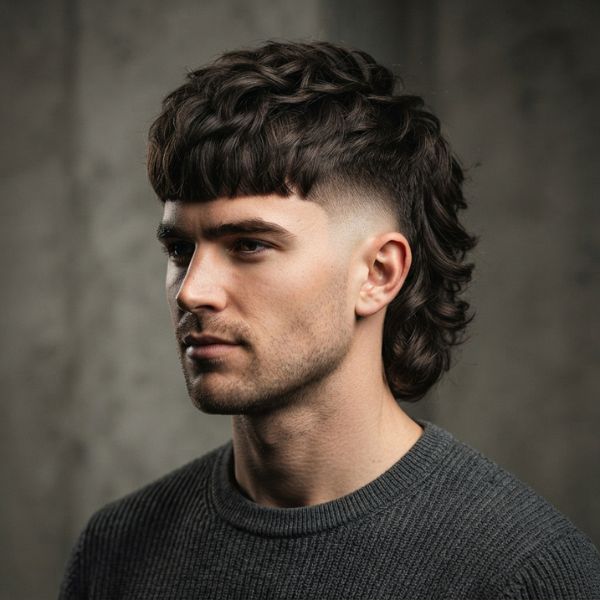
Use a lightweight clay rather than a heavy pomade, since thick hair can look flat and weighed down under wax or oil based products.
Best Products for French Crop Mullet
The right product depends on the finish you want. A quick reference:
| Product | Best For | Finish |
|---|---|---|
| Matte clay | Straight or thick hair | Low shine, strong hold |
| Sea salt spray | Wavy or messy styles | Textured, beachy |
| Curl cream or mousse | Curly hair | Defined, frizz free curls |
| Molding paste | Textured or modern styles | Medium hold, natural movement |
| Light styling cream | Fine or thin hair | Soft hold without weight |
Maintenance Tips
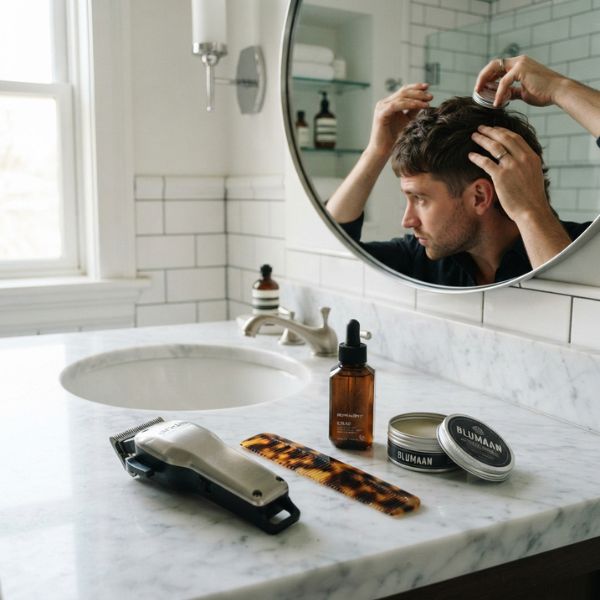
Keeping this cut looking sharp between visits comes down to a few habits:
- Book trims every three to five weeks depending on how fast your hair grows.
- Wash with a lightweight shampoo two to three times a week to avoid product buildup.
- Use a leave in conditioner on the longer back section to prevent split ends.
- Trim the fringe yourself between barber visits if it starts falling into your eyes.
- Brush or comb the back gently to detangle before applying any product.
Common Mistakes to Avoid
A few habits can undermine an otherwise great haircut.
Making the Back Too Long Too Fast

Growing the mullet section out too quickly before the front is properly cropped can leave the style looking unbalanced. Let it grow gradually with regular trims that maintain the front shape.
Cutting the Sides Too High
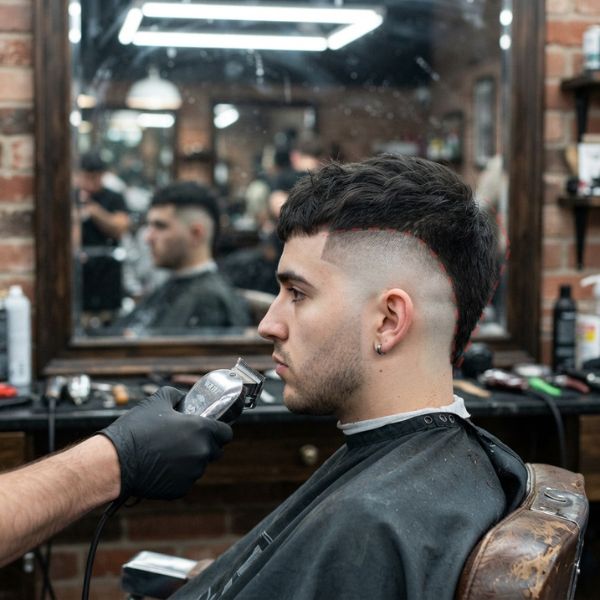
A fade that climbs too high can overpower the fringe and mullet length, making the cut look more like a standard fade with a random long patch. Ask for a low or mid fade unless you specifically want a bold, high contrast look.
Using Too Much Gel

Heavy gel can make the fringe look stiff and dated. Matte pastes and clays give a more natural, modern finish.
Ignoring Your Hair Type
A blunt fringe that works beautifully on straight hair can look completely different on curly or coarse hair. Talk to your barber about adjusting the cut technique, not just the length, for your specific texture.
Not Showing a Photo
Haircut terminology varies between barbers. A reference photo removes the guesswork and helps you leave the chair with the exact style you wanted.
Is the French Crop Mullet Good for Daily Life?
Yes. Despite its bold appearance, this cut is genuinely practical. The short front and sides need minimal daily effort, often just a quick brush forward and a small amount of product. The longer back does not require styling at all on most days. It works for school, office jobs with relaxed dress codes, and casual social settings, which is part of why it has stayed popular rather than fading as a passing trend.
Final Thoughts
The french crop mullet earns its popularity honestly. It is flexible enough to suit curly, straight, or wavy hair, bold enough to feel fresh, and practical enough for everyday wear. Whether you go with a subtle low fade or a striking burst fade version, the key is matching the cut to your hair type and face shape, and communicating clearly with your barber. Start with a shorter tail if you are unsure, and let it grow once you know you like the shape.
FAQs About French Crop Mullet
Is the french crop mullet hard to maintain?
No. It needs a trim every three to five weeks and only light daily styling, making it easier to maintain than many other trending cuts.
Does the french crop mullet suit older men?
Yes. A softer taper version with subtle length often looks mature and refined rather than overly bold.
Can I get this haircut with thinning hair?
Yes, though your barber will likely keep the fringe shorter and use a softer fade to draw less attention to thinning areas.
How long does it take to grow the back out?
Most men need two to four months of growth before the mullet section at the back looks fully defined.
What is the difference between a french crop mullet and a regular mullet?
A regular mullet keeps even length up front, while a french crop mullet adds a short, structured fringe and tighter sides for a cleaner contrast.
Can curly hair handle this style?
Yes. Curly hair actually adds natural volume and texture, making the cut look full without extra styling effort.

Noah Daniel Davis is an experienced content writer and hair enthusiast who creates engaging articles about hairstyles, haircuts, hair care, and the latest styling trends. His goal is to share simple, useful, and inspiring hair ideas that help readers discover styles they love.
